

Je hoort het voordat
je het begrijpt.
Een gids in zes hoofdstukken over het horloge dat niets verbergt — de hartslag, de hype en hoe je er een kiest die je echt zult houden.
De eerlijke koopgids · 2026
Houd een mechanisch horloge bij je oor in een stille kamer. Achter de stilte vang je het op — een zwakke, snelle flutter, ongeveer acht keer per seconde, als een kleine hartslag. Er is niets aangesloten. Dat geluid is een opgewonden veer en een schommelend wiel, een idee dat in driehonderd jaar nauwelijks is veranderd.
Dit is het gesprek dat ik wou dat iemand eerst met mij had gevoerd.
Wat je eigenlijk bekijkt
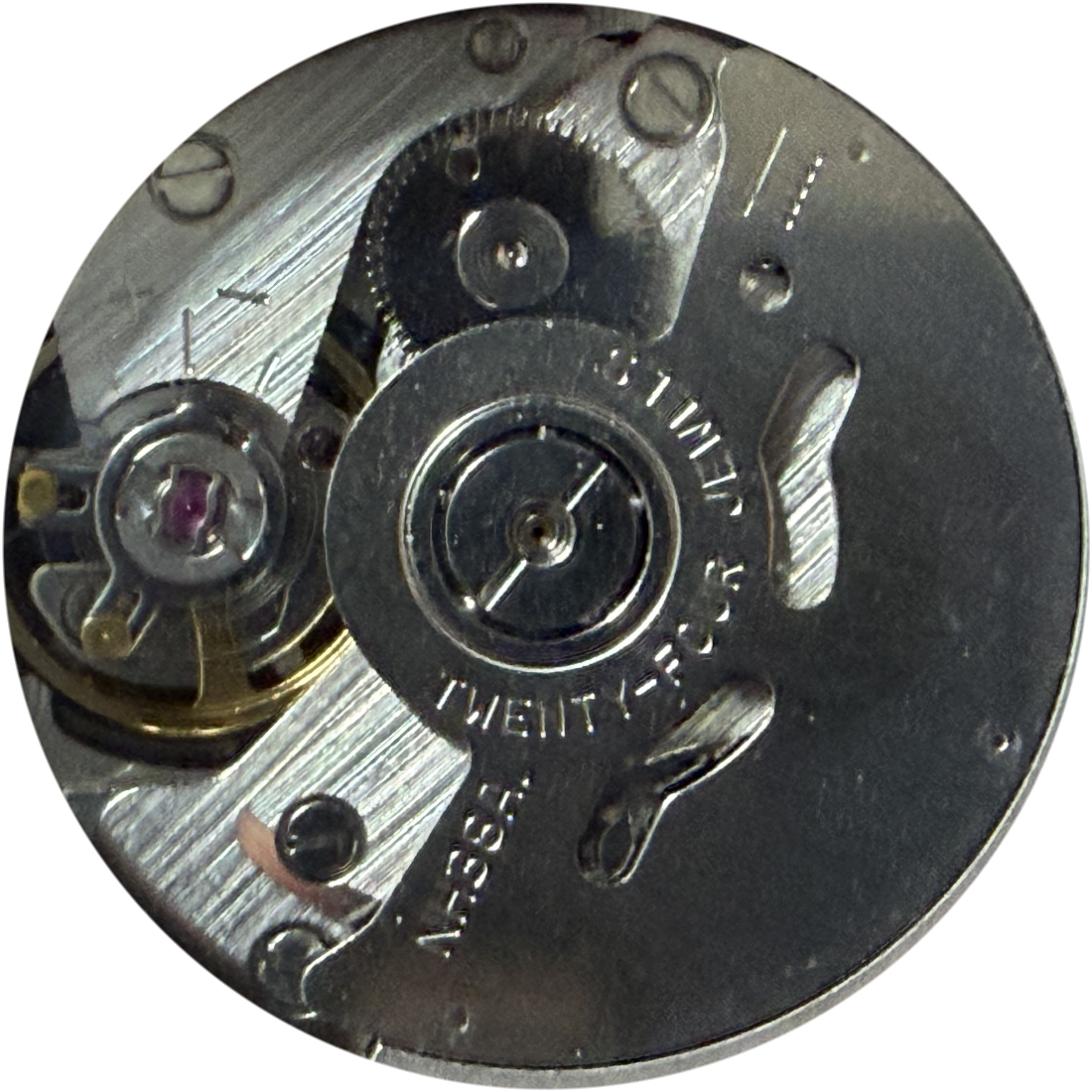
De meeste horloges verbergen hun binnenwerk achter een dichte wijzerplaat. Een skeleton-horloge weigert dat — de maker snijdt alles weg wat het niet bij elkaar houdt en laat een kleine, doorzichtige stad van tandwielen achter die je kunt zien draaien.
Het is ook geen moderne truc: horlogemakers maakten al in de jaren 1700 skeletuurwerken, puur om hun vakmanschap te tonen. Nu het deel dat de marketing meestal weglaat.
De hartslag, in gewone taal
Terwijl je pols zich door de dag beweegt, windt een gewogen rotor stilletjes een opgerold stalen lint op dat de hoofdveer wordt genoemd. Bevrijd zou dat lint uitschieten tot twintig of dertig centimeter lang, en zijn voortdurende drang om af te wikkelen is de motor van het hele horloge.
De energie sijpelt door een reeks tandwielen, wordt door het echappement in perfect gelijkmatige pulsen gehakt, en wordt bewaakt door het onrustwiel — het onderdeel dat je heen en weer ziet flikkeren, ongeveer acht keer per seconde.

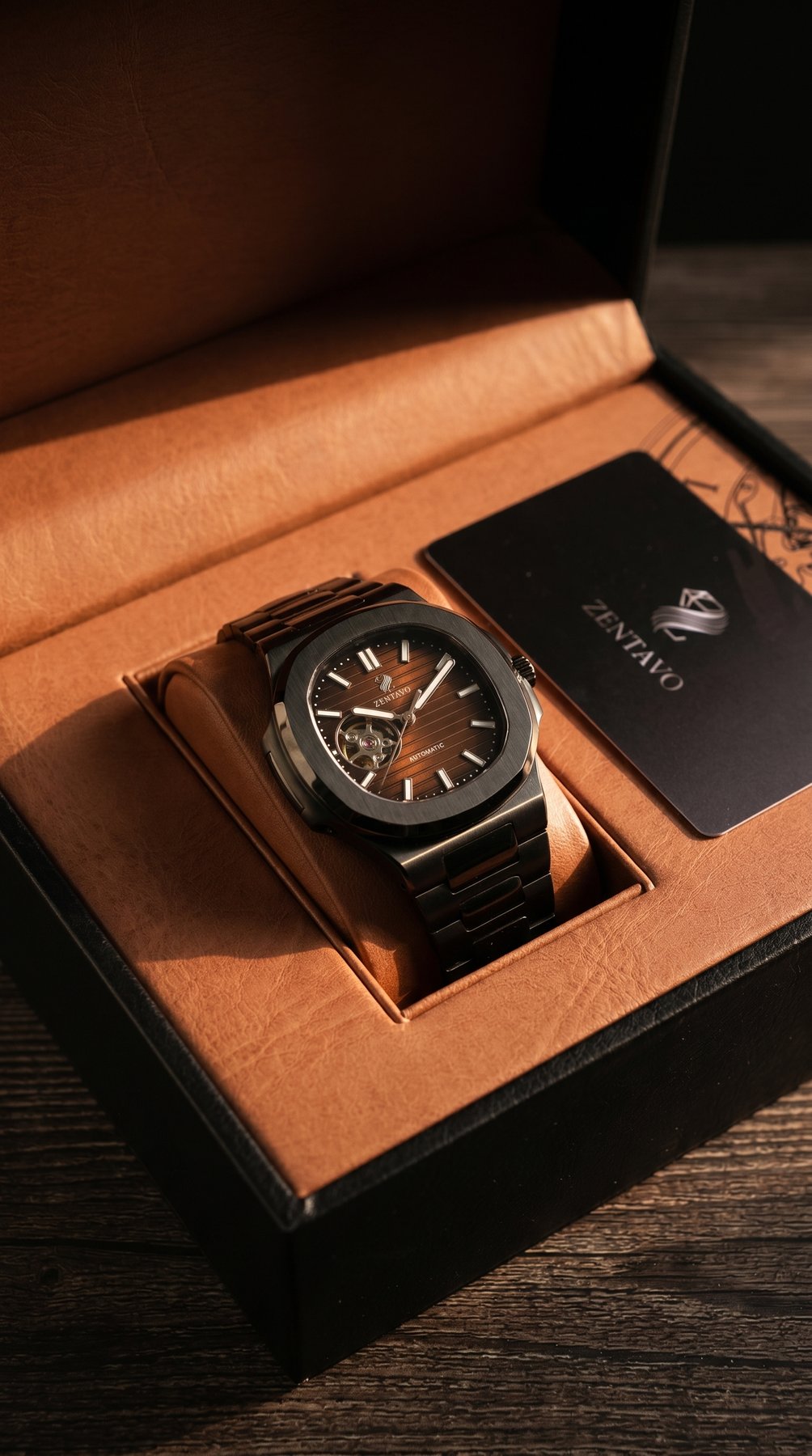
Een open-heart automaat — het mechanisme bewust in het zicht gelaten
"Een skeleton-horloge vertelt je niet alleen de tijd. Het laat je zien hoe tijd wordt gemaakt." — de hele essentie, in één zin
Open-heart of volledig skeleton?
Er zijn twee smaken, en de juiste kiezen is belangrijker dan de juiste kleur kiezen.
Open-heart
Je ziet — alleen het onrustwiel, omkaderd door een normale wijzerplaat.
Afleesbaar? — ja, in één oogopslag makkelijk.
Het best voor — je eerste automaat.
Volledig skeleton
Je ziet — het volledige uurwerk, van voor naar achter.
Afleesbaar? — adembenemend, maar het kan druk worden.
Het best voor — de doorgewinterde verzamelaar.
Kies verkeerd en je zult dol zijn op de foto's, maar het nooit echt dragen.
Wat je geld echt verdient
Negeer de marketing-bijvoeglijke naamwoorden en let in plaats daarvan op deze vijf dingen.
- Een echt automatisch uurwerk — nooit een batterij in vermomming.
- Een krasbestendig glas — saffier is ideaal, gehard mineraalglas is prima.
- Minstens 3 ATM waterdichtheid voor dagelijkse gemoedsrust.
- Een kast en armband van 316L roestvrij staal.
- Een wijzerplaat die je echt snel kunt aflezen.
De meest voorkomende spijt is niet het uurwerk — het is de leesbaarheid. Een wijzerplaat die je niet in één oogopslag kunt aflezen, wordt binnen een maand stilletjes een ladehorloge, hoe mooi het er online ook uitzag.
Wat zou je dan moeten uitgeven?
Een echte automaat, stalen kast, open-heart wijzerplaat. Alles wat ertoe doet.
Fijnere afwerking en saffierglas als standaard.
Handafwerking, erfgoed en een beroemde naam op de wijzerplaat.
Dit is het eerlijke deel dat de meeste winkels niet hardop zullen zeggen: de sprong in zichtbare kwaliteit van instap naar midden is verrassend klein. Je betaalt vooral voor afwerking die je een loep nodig hebt om te waarderen.
Om de pols
Renders vleien; echte polsen vertellen de waarheid.
Vijf valkuilen waar beginners in trappen
- Kopen op uiterlijk alleen en negeren hoe het echt draagt.
- Leesbaarheid vergeten tot het horloge al om je pols zit.
- Quartz-precisie verwachten. Automaten lopen een paar seconden per dag af — dat is karakter, geen fout.
- 3 ATM behandelen als een duikhorloge. Het kan tegen regen en handen wassen, niet tegen het zwembad.
- De reviews overslaan omdat de render er perfect uitzag.
Waar de lijn landt
We bouwden Zentavo rond precies deze sweet spot: een open-heart automaat, 316L staal, 42 mm, 3 ATM — het horloge waarvan we wilden dat het bestond, zonder het prijskaartje van vier cijfers.
Zentavo Noir
€289,99Bekijk het horloge
Zentavo Rose
€289,99Bekijk het horloge
Zentavo Navy
€289,99Bekijk het horloge
Open-heart automaat · 42 mm 316L staal · 3 ATM · Gratis retour binnen 30 dagen
Vragen die mensen echt stellen
Heeft het een batterij nodig?
Nee — het windt zichzelf op door de beweging van je pols.
Zijn automaten nauwkeurig?
Ze lopen prima op tijd, maar verwacht van nature een paar seconden afwijking per dag.
Is mineraalglas goed genoeg?
Het weerstaat alledaagse krassen; saffier is gewoon harder.
Kan ik douchen of zwemmen met 3 ATM?
Nee — denk alleen aan regen en handen wassen.
Welkom in de stille club.
Hoe je ook kiest — de onze of die van wie dan ook — je bent nu een van de mensen die hun horloge kunnen voelen tikken.